Livestock · Goats & sheep
A practical deworming calendar for goats and sheep in central Kenya
Dr. Colleta Chepkosgei, BVM
· 7 min read
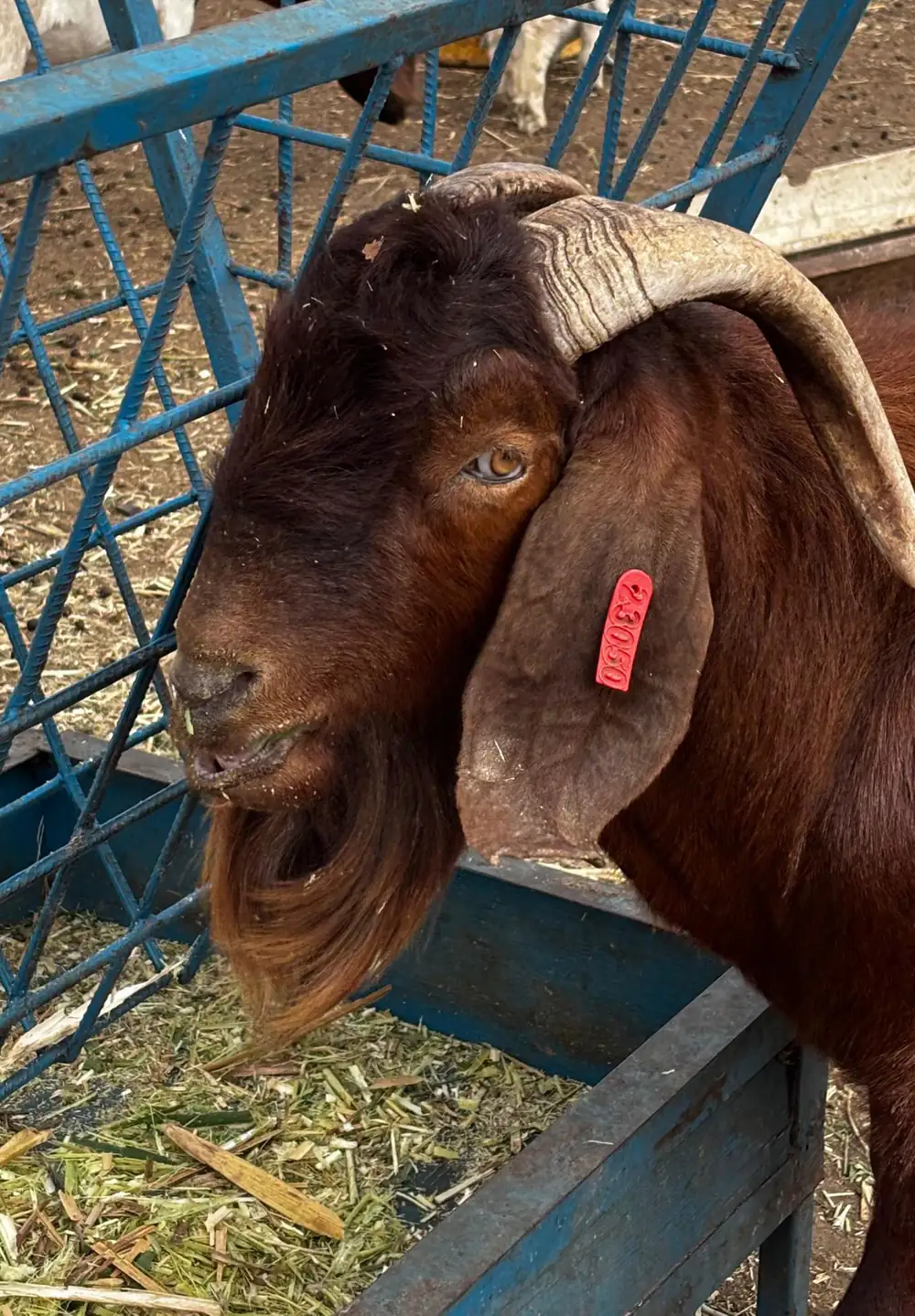
Worms are one of the most common — and most preventable — causes of poor growth, weight loss and death in goats and sheep. A simple calendar, built around our two rainy seasons, helps you treat at the right time and use fewer doses overall.
Why timing matters
Warm, wet weather lets worm eggs on pasture hatch and survive, so animals pick up the most larvae in the weeks after the rains start. Deworming at the right moment protects animals when the challenge is highest.
The barber’s pole worm (Haemonchus) is the biggest threat. It feeds on blood, so heavily infected animals become anaemic quickly — especially kids, lambs, and pregnant or nursing does and ewes.
Anaemia in goats
Watch: Dr. Colleta on spotting anaemia in goats.
A year-round calendar
Long rainsMar – May
Check animals every 2–3 weeks (eyelids, body condition). Deworm at the start of the rains, and again if checks show a rising burden.
Cool, dry seasonJun – Sep
Lower worm challenge. Treat only the animals that need it, and review what worked.
Short rainsOct – Dec
Check every 2–3 weeks. Deworm at the start of the rains, and before kidding or lambing if advised.
Hot, dry seasonJan – Feb
Lowest risk on most farms. A good time to plan grazing and to buy in new stock carefully.
Signs your flock needs checking
- Pale pink or white inner eyelids and gums
- Swelling under the jaw (“bottle jaw”)
- Weight loss or poor growth despite good feed
- Diarrhoea or dirty back ends
- A rough, dull coat or fleece
- Weak kids or lambs, or sudden deaths
Make your dewormers last
Worms are becoming resistant to common dewormers on many farms. A few simple habits slow this down:
- Weigh, don’t guess — under-dosing helps resistant worms survive.
- Don’t deworm the whole flock out of habit; treat the animals that need it.
- Quarantine and treat new animals before they join your flock.
- Ask about faecal egg counts to check that treatments are working.
- Change dewormer groups only on veterinary advice, not at every treatment.